Buying Property in Japan Carries Cultural, Legal, & Environmental Risks for Foreigners.
Cultural restrictions, strict ownership laws, and frequent natural disasters create serious challenges, demanding thorough research before investing in Japanese properties.


Buying Property in Japan Carries Cultural, Legal, & Environmental Risks for Foreigners.
Cultural restrictions, strict ownership laws, and frequent natural disasters create serious challenges, demanding thorough research before investing in Japanese properties.
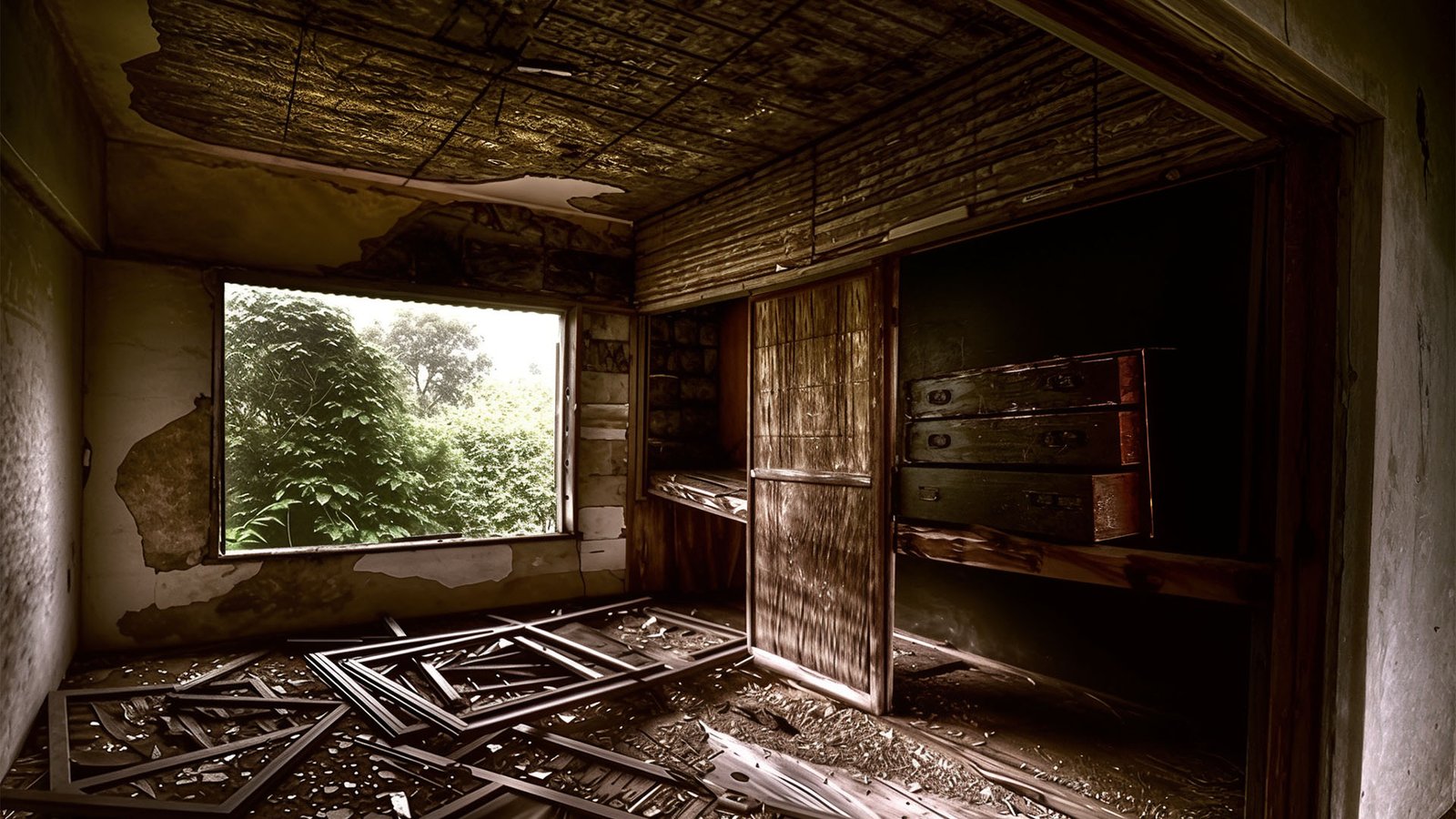
Hidden Property Risks
Conviction Warnings
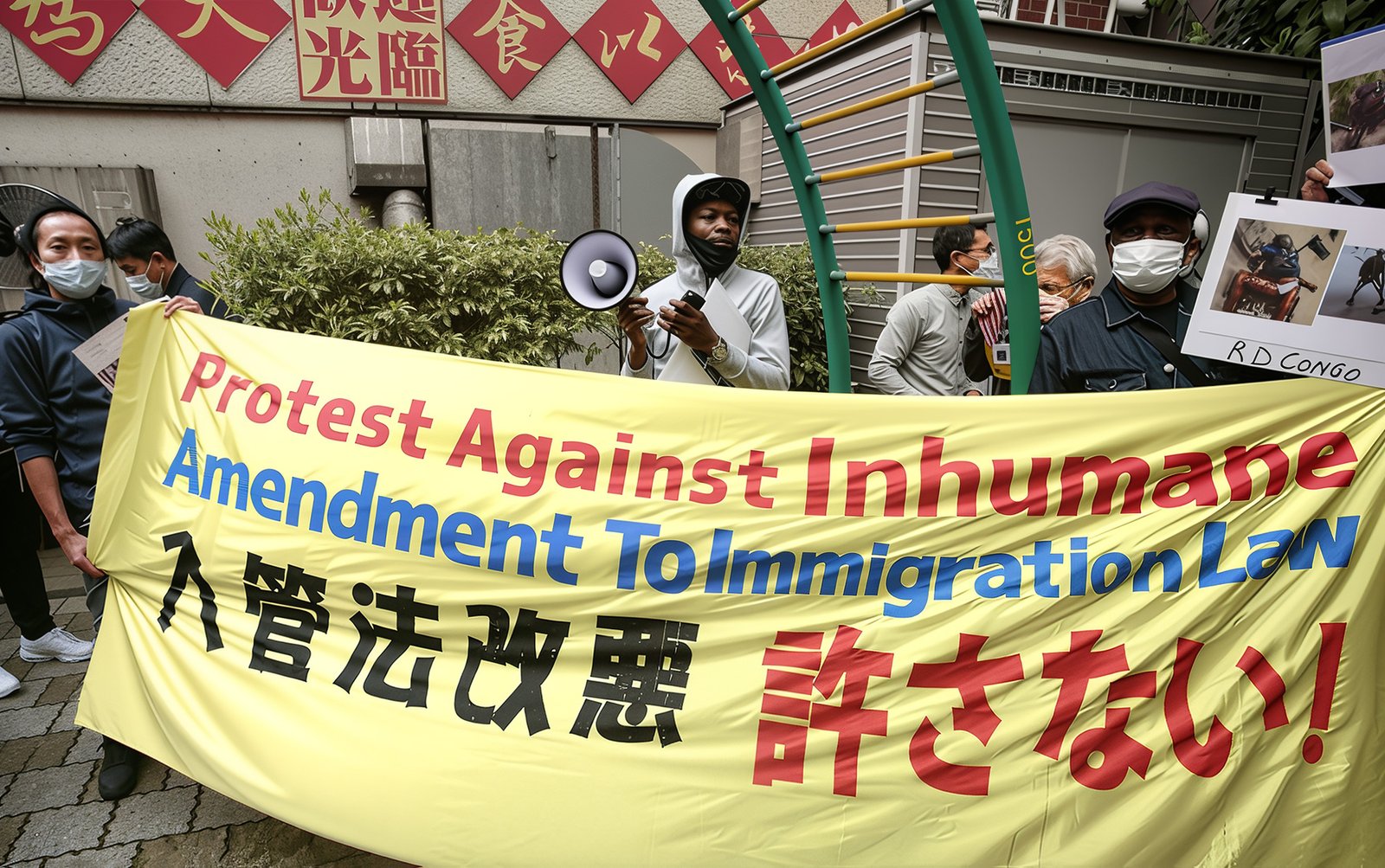
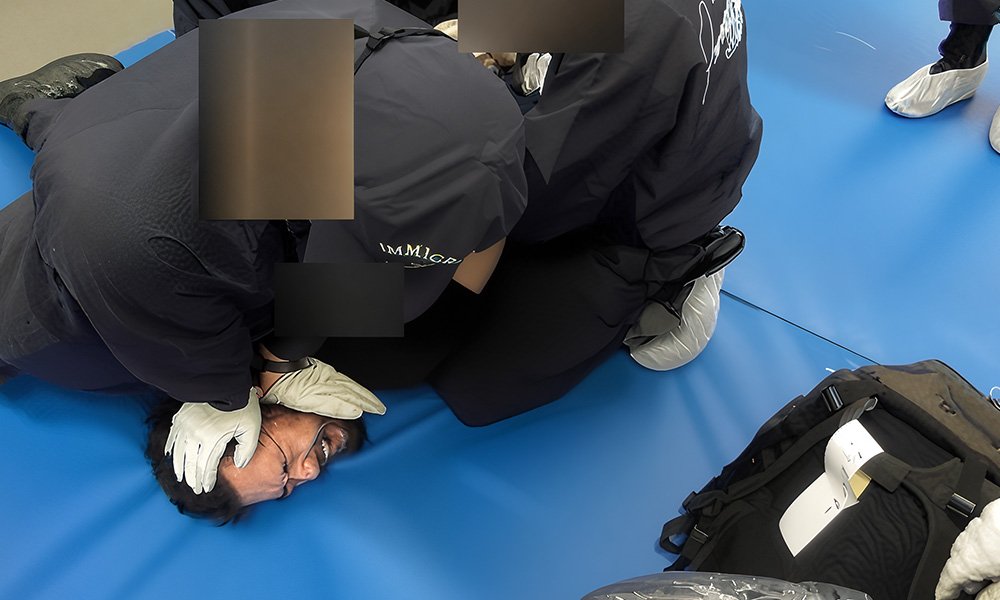
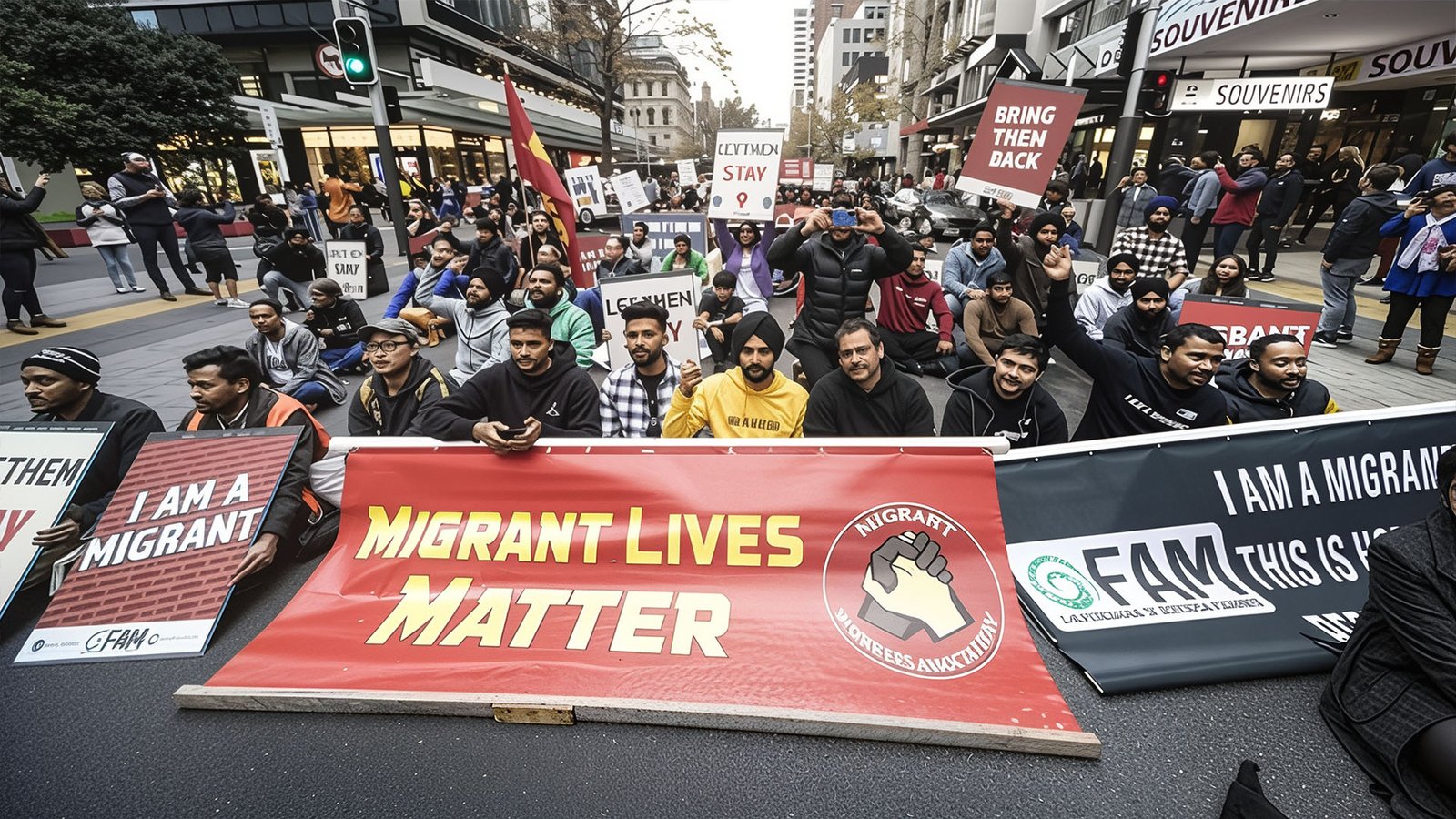
Human Rights Issues
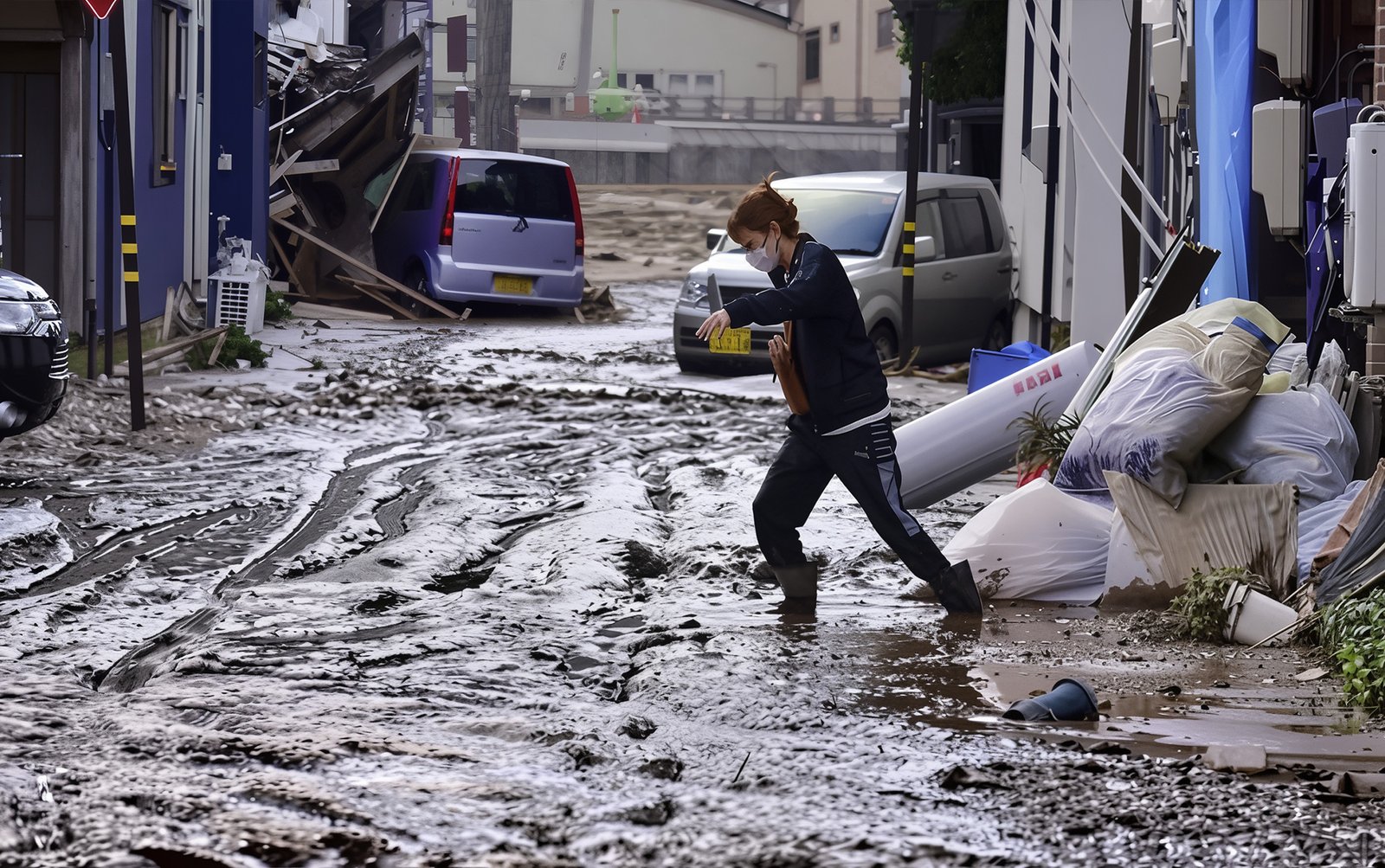
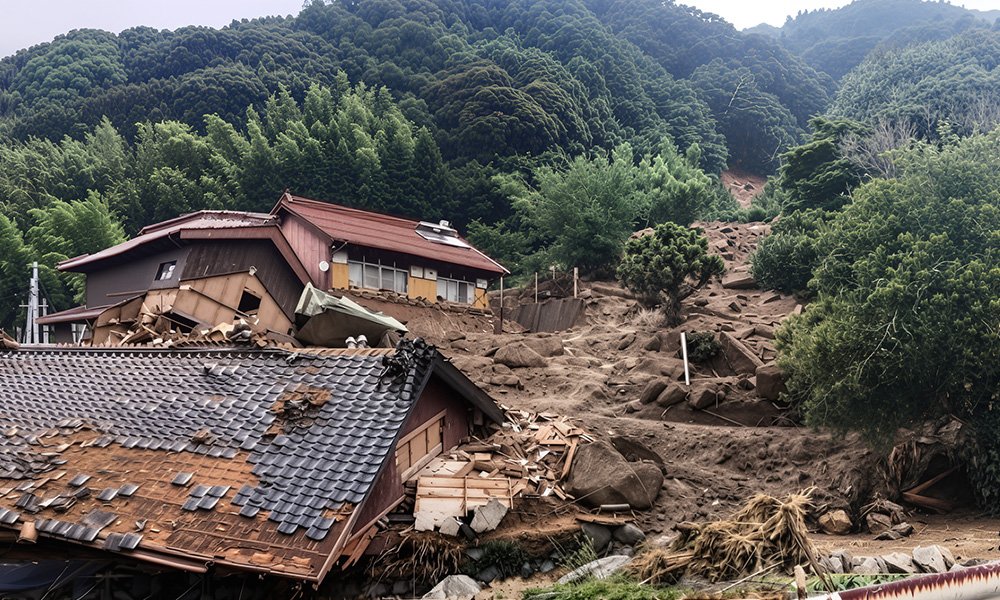
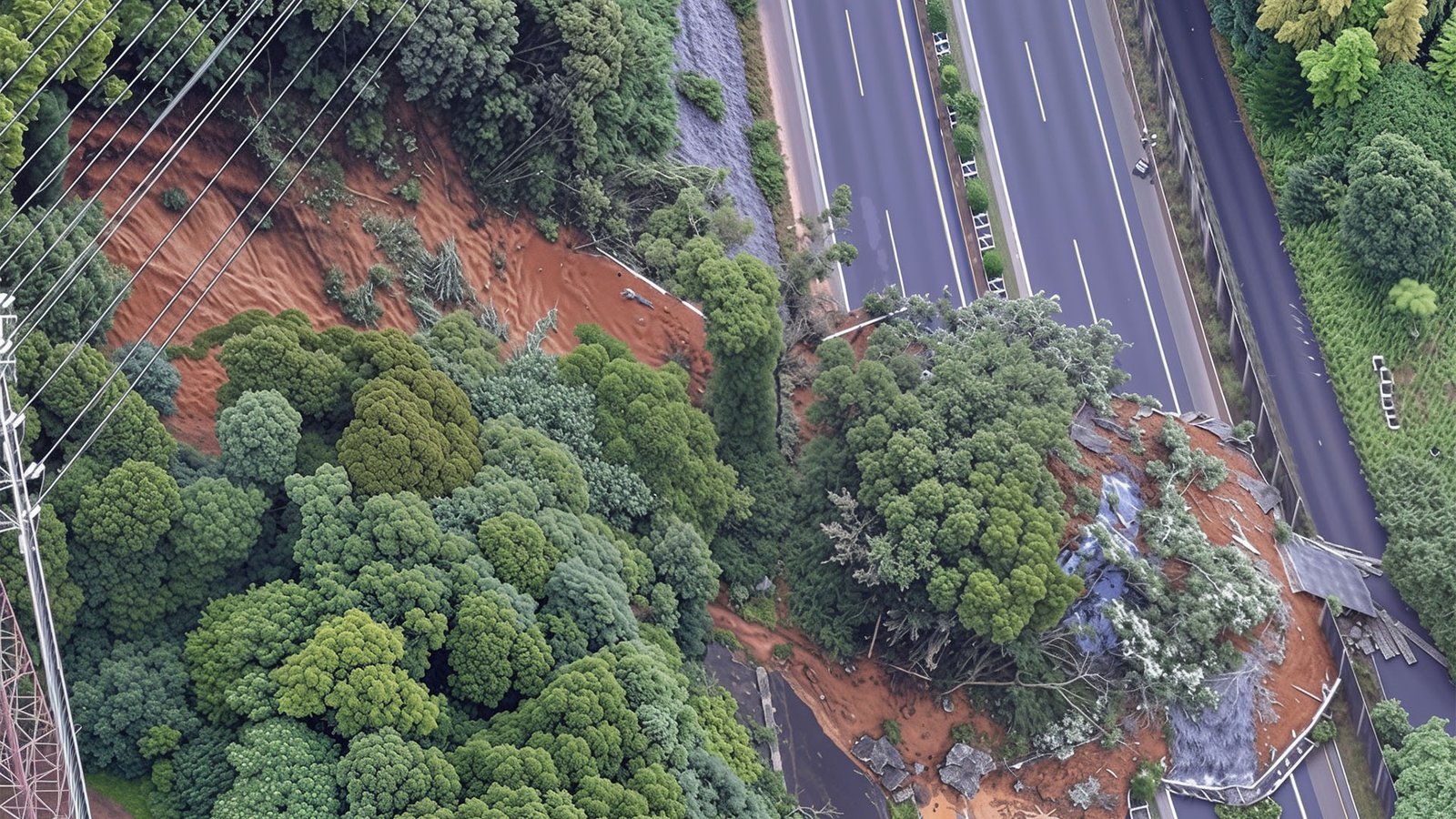
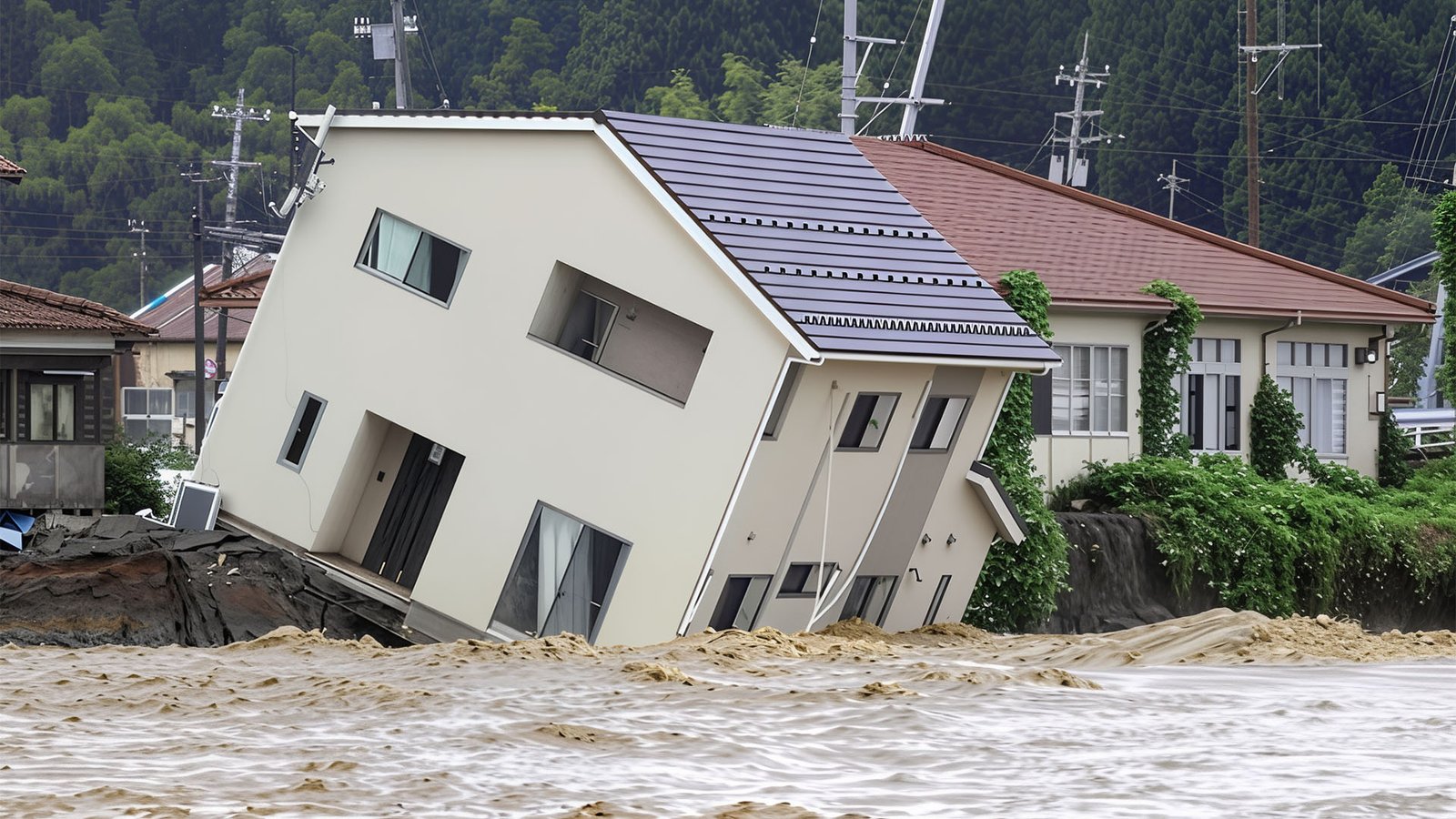
Natural Hazards
Welcome to the Don’t Buy in Japan Website.
We created this website to warn others about the significant risks associated with buying a house in Japan. Beyond the neat, friendly façade that the Japanese try to present their country as, lies a level of atrocious human rights abuses against foreigners, natural hazards, dying regions, outdated buildings and even wildlife hazards.
We have attempted to outline all of these issues in greater detail so that you can be far more informed when it comes to potentially making the mistake of trying to buy in Japan.
Please read through the website to gain the knowledge it contains. We will be surprised once you have read it all if you will still be interested in a house in Japan or even if you are it won’t be one being sold at a cheap price. We hope you enjoy the site and are able to save yourself thousands in what otherwise could have potentially been the biggest mistake of your life.
Our Vision
To educate and protect foreigners from the hidden risks of buying property in Japan, ensuring informed and safe investment decisions.
- Raise awareness about real estate hazards across Japan.
- Expose human rights issues affecting foreigners.
- Highlight natural disaster risks like earthquakes, tsunamis, and landslides.
- Inform about dying regions and worthless properties.
- Empower buyers to make well-informed decisions.
Our Mission
To provide clear, honest, and detailed information about the challenges of owning property in Japan, helping people avoid costly mistakes.
- Share firsthand experiences and real-life case studies.
- Offer guidance on legal and immigration restrictions.
- Warn about property-related risks including Akiya houses &wildlife threats.
- Advocate for transparency in Japanese real estate practices.
- Support users in making safe, informed property choices.
Don’t Buy in Japan, Why?
CONVICTIONS
Even minor criminal convictions in your home country can prevent entry to Japan. Owning property becomes useless if you cannot enter, leaving you stuck with ongoing costs and no access.
HUMAN RIGHTS
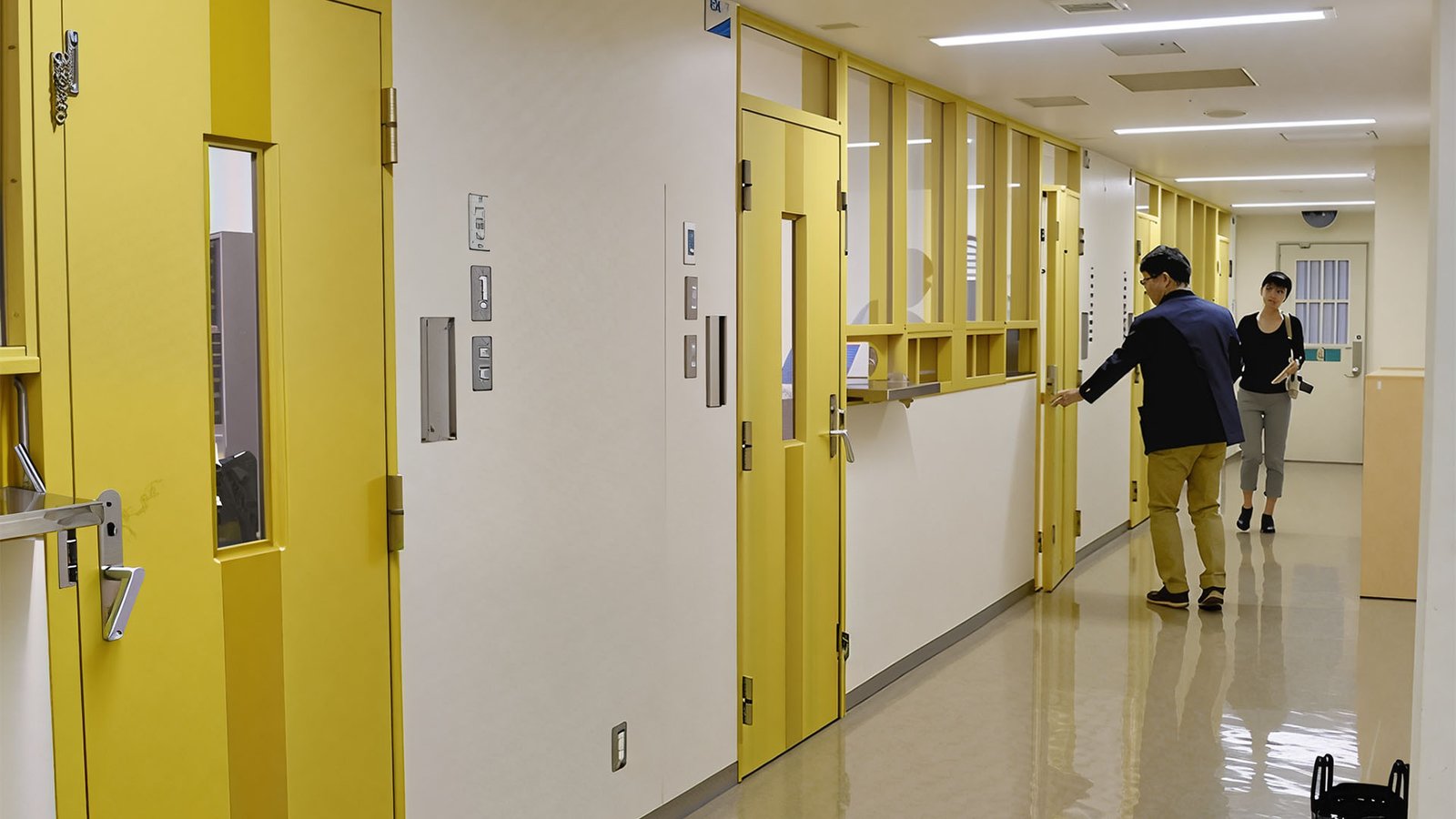
Foreigners face serious discrimination and human rights abuses, especially in immigration detention. Treatment can be inhumane, with limited access to legal support, food, or communication while authorities enforce strict rules.
LANDSLIDES
Japan’s mountainous terrain poses a high landslide risk. Homes in affected areas can be destroyed by soil movement or avalanches. Insurance premiums are high, and damage recovery is slow and costly.
FLOODING
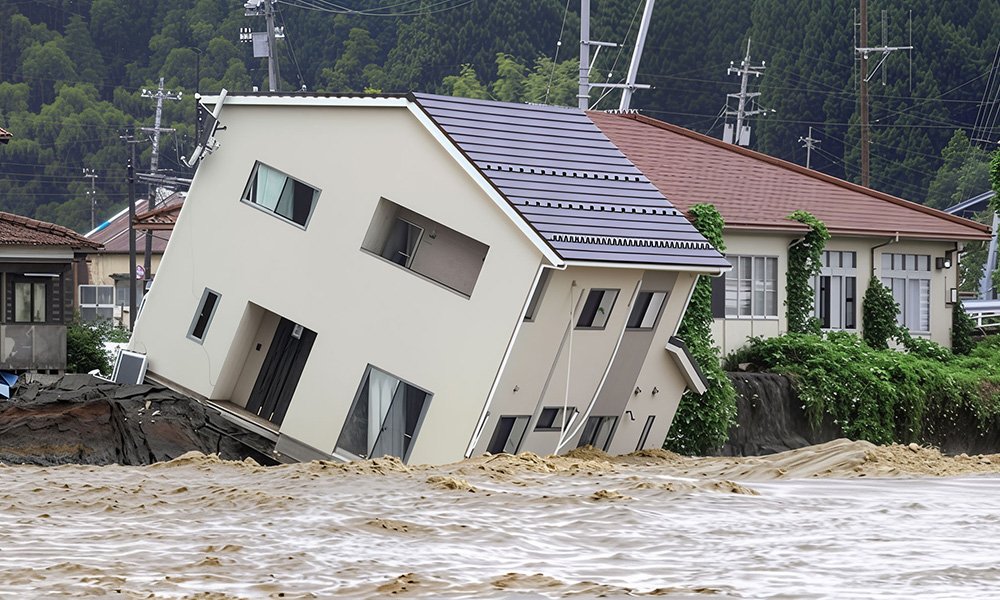
Many homes sit in low-lying valleys or near rivers. Heavy rains or snow melts frequently cause flooding, submerging houses and causing severe damage to property, requiring expensive repairs or relocation.
EARTHQUAKES
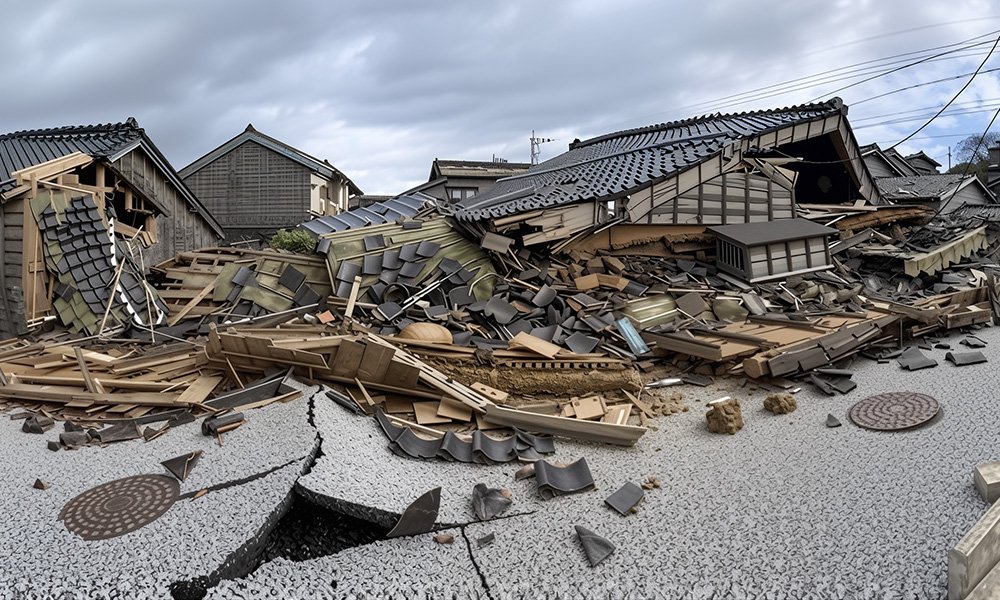
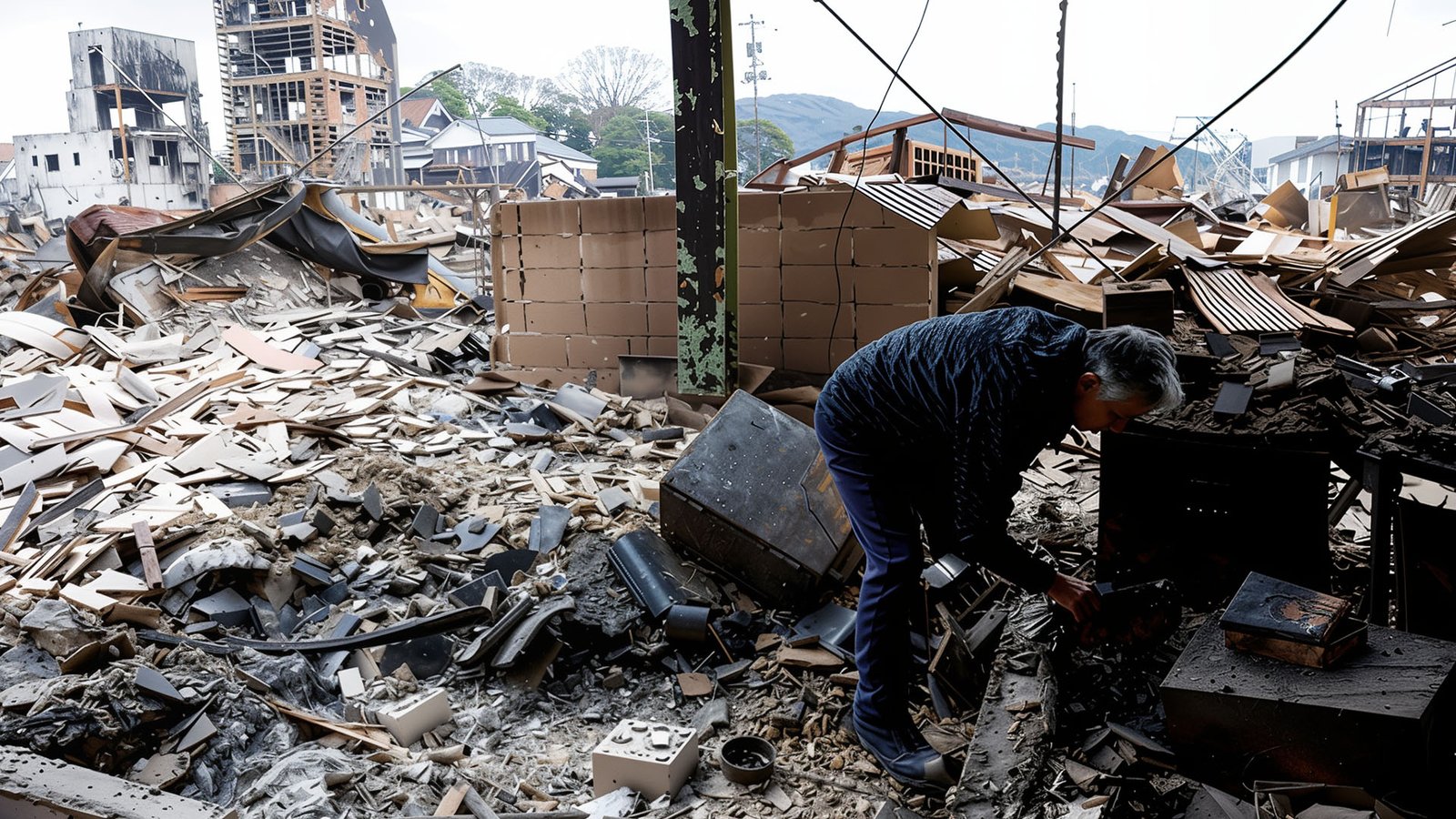
Older Japanese houses are not earthquake-resistant. Even moderate tremors can crack walls, damage timber frames, or destroy utilities. Major quakes may collapse buildings completely, creating significant financial and safety risks.
TSUNAMIS
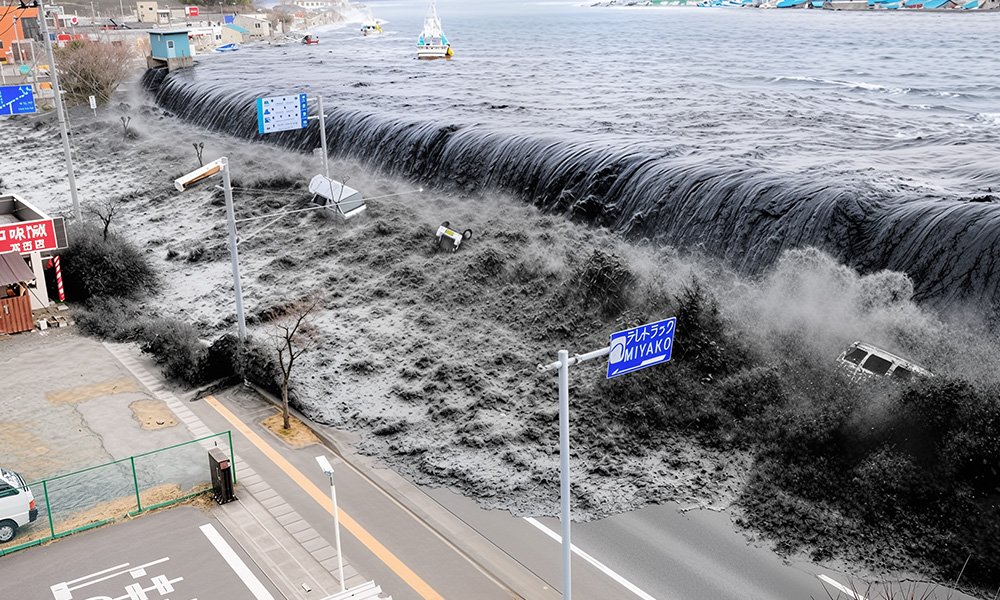
Coastal properties are at constant risk of tsunamis caused by seismic activity. Even small waves can cause severe damage, while catastrophic events like Fukushima 2011 show potential loss of life and property.
DYING REGIONS
Many rural towns are depopulating due to aging residents and youth migration. Buying here risks owning a home with little resale value, minimal services, and scarce local workforce for maintenance.
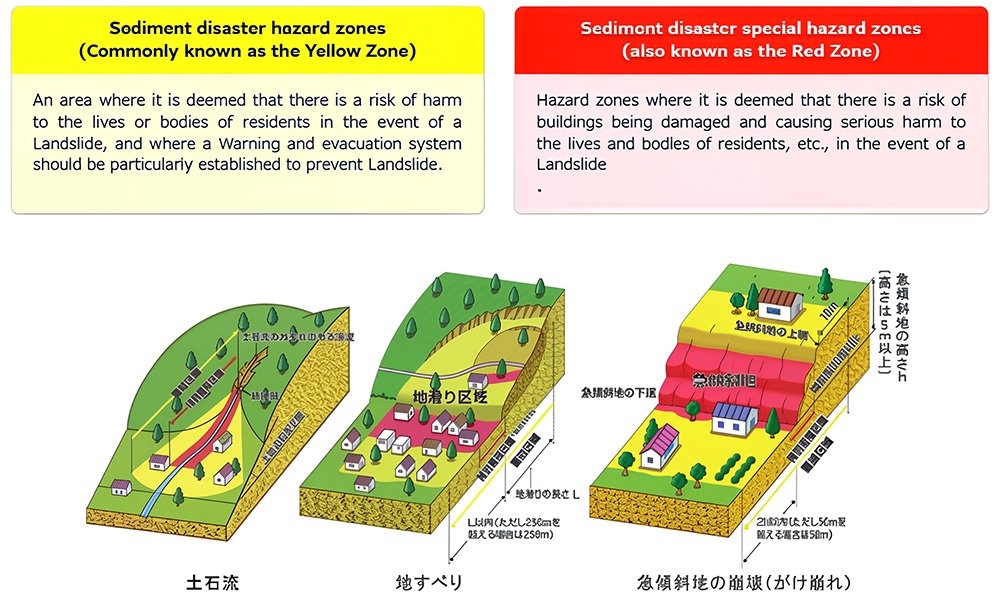
YELLOW & RED ZONES
Yellow zones indicate landslide risk; red zones mark areas with extreme danger. Properties here may face restrictions, high insurance costs, or mandatory evacuation during disasters, creating serious ownership challenges.
WORTHLESS LOCATIONS
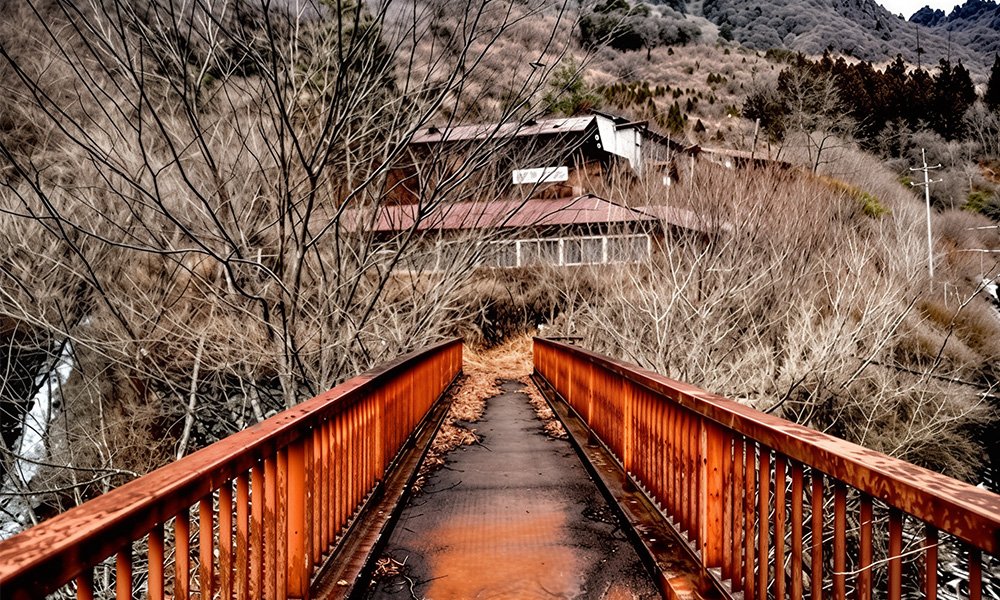
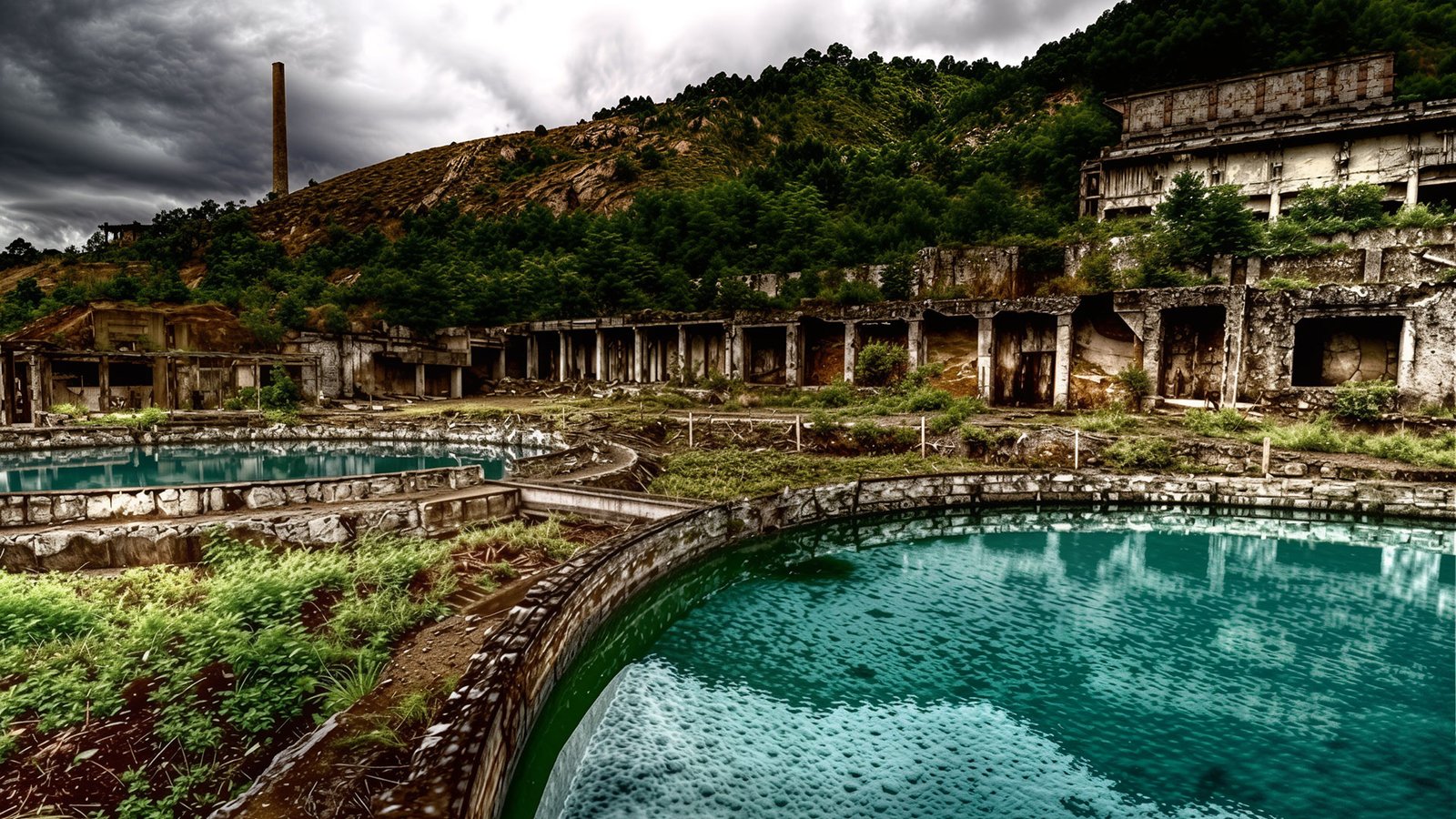
Some towns have lost all services like shops, schools, and transport. Houses in these areas may be given away, but ongoing rates, repairs, and isolation make them essentially worthless for practical living or resale.
DANGEROUS WILDLIFE
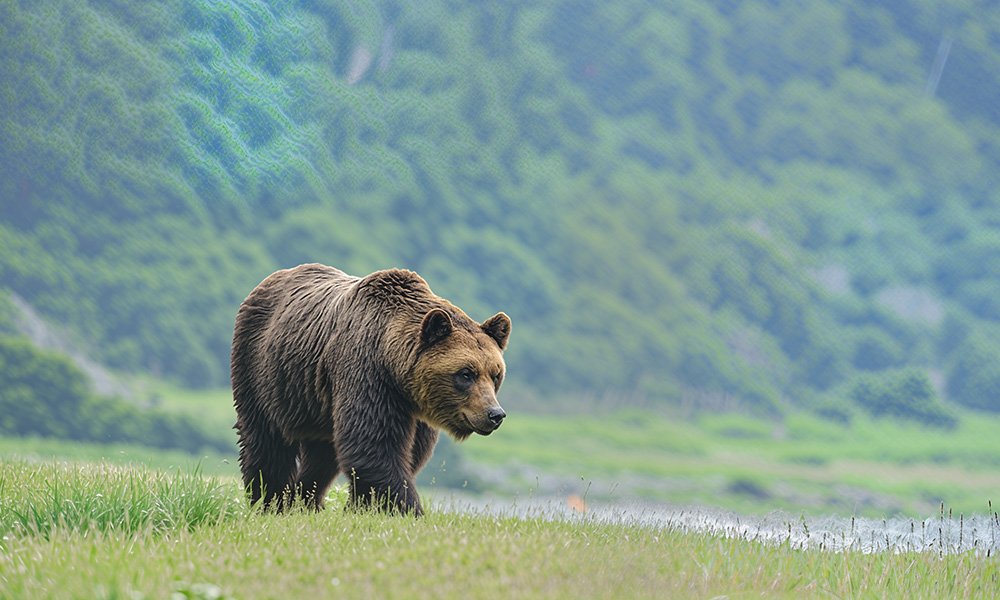
Regional areas, especially Hokkaido, face risks from aggressive brown and Asiatic black bears. Attacks can be fatal, making outdoor areas unsafe, reducing property appeal, and deterring potential residents or buyers.
OLD HOUSES (AKIYA)
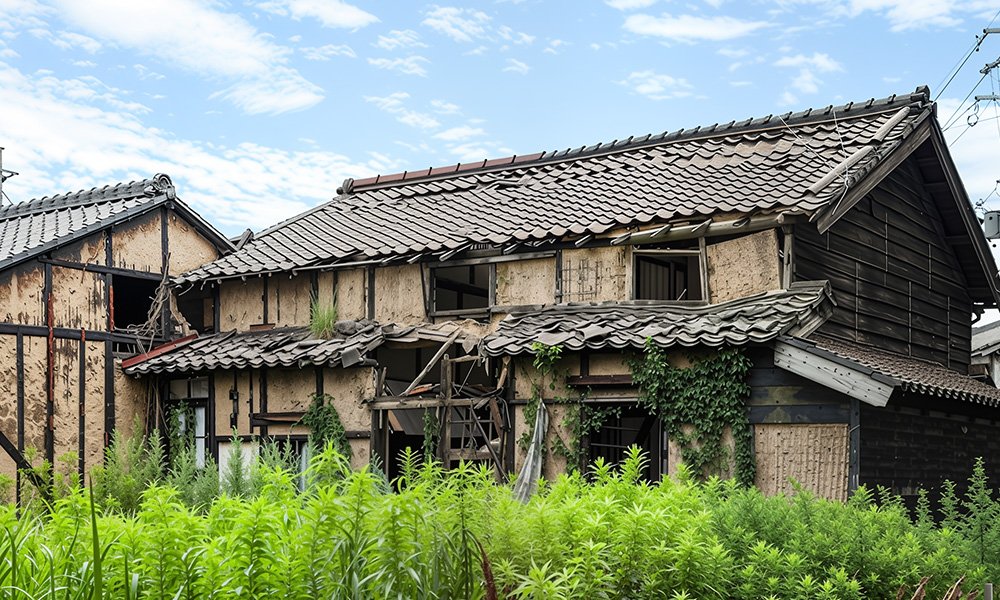
Akiya houses appear cheap but often have structural issues, termite damage, and outdated sewer connections. Renovations are costly and extensive, far exceeding the property’s purchase price, making them risky investments.
DODGY REAL ESTATE AGENTS
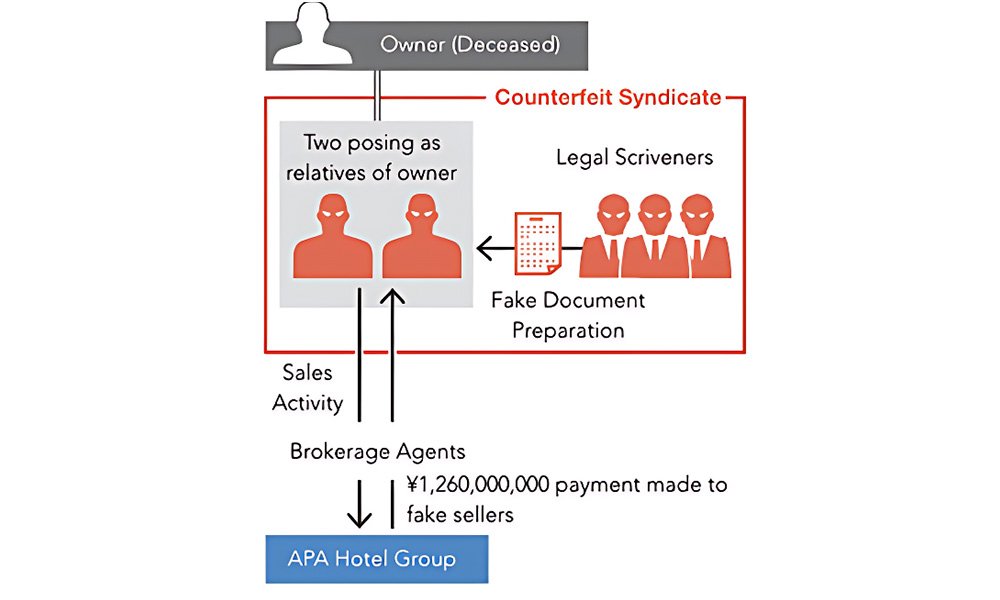
Japanese real estate agents may mislead with outdated or edited photos, language barriers, cultural norms, and paperwork. Fraudulent syndicates pose as sellers, deceiving foreign buyers into costly mistakes without proper inspection.
Have A Question or Experience?
Let Us Know!
If you have a question or would like to inform us of your own experience in either buying a house or having immigration issues in Japan we would love to hear from you.