Dodgy Real Estate Agents
Reality of Real Estate Agents in Japan

Just like any other country there are good agents, there are also bad and then there are those committing outright fraud pretending to be agents. The bad ones in Japan use practices such as posting out of date photos of houses to the website when they were in a better condition. Some even use AI tools to add furniture and improve the look of the walls and paintwork. It is important to ask the real estate agent when photos were taken and if they have no recent images why they are unable to supply them. Generally you will find that the houses will fall far beneath the standards suggested in the photos and they do this on the hope that overseas buyers will buy sight unseen on the basis of the photos they look at online. Don’t make the mistake of falling for this trap. If the house is important enough for you to buy it should be equally as important for you to go and inspect it in person.
Some of the challenges of working with even good Real Estate Agents in Japan include:
- Language Barrier – Many local estate agents only speak Japanese, making communication difficult for non-Japanese speakers.
- Cultural Differences – Japanese real estate transactions involve cultural norms that may be unfamiliar to foreigners, such as key money payments and extensive paperwork
- Limited Property Availability for Foreigners – Some landlords and property owners prefer Japanese tenants or buyers due to perceived risks, such as language issues or visa uncertainties.
- Slow and Paper-Heavy Process – Unlike digitalized real estate markets in some Western countries, Japan’s system relies heavily on physical paperwork, official stamps (hanko / inkan), and in-person transactions.
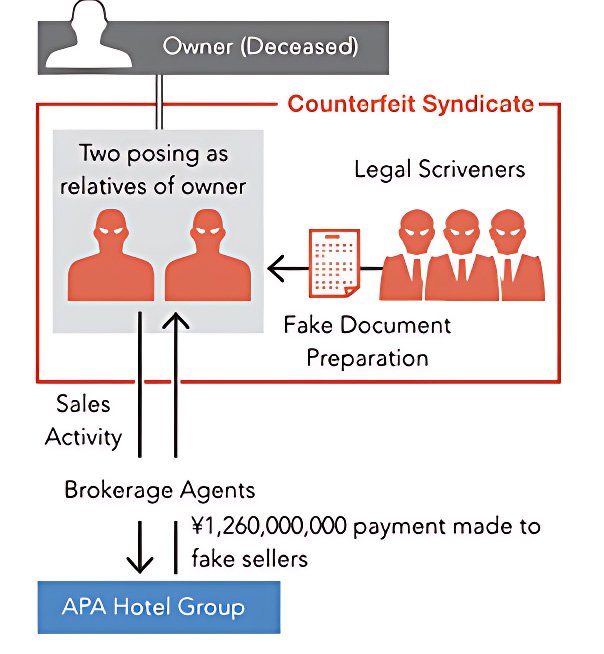
Beyond good and bad agents are the counterfeit syndicates, posing as the seller or relatives of the seller using fake documents designed to deceive you into signing large amounts of money over to them for nothing in return. This is very common in Japan and is on the increase with little action taken by the Japanese government.