Snow
Impact of Heavy Snowfall on Japanese Homes

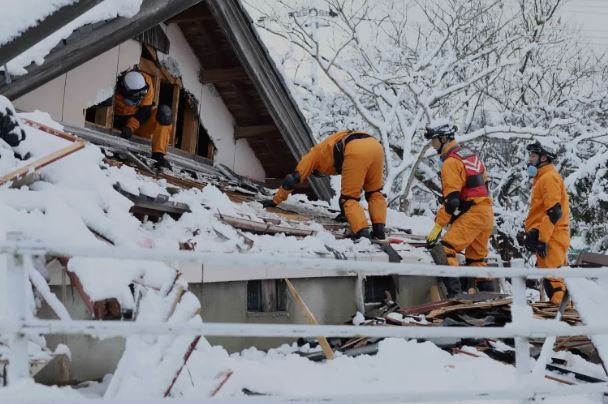
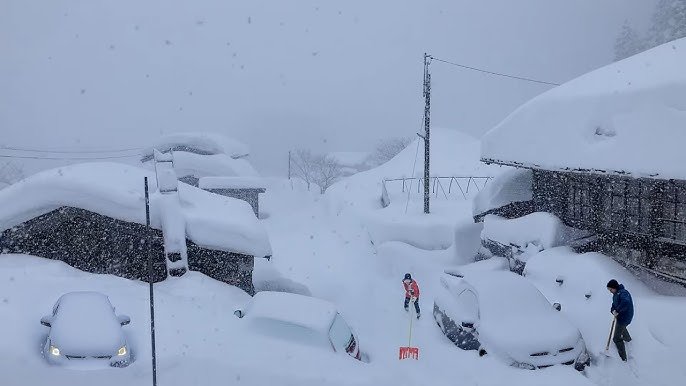
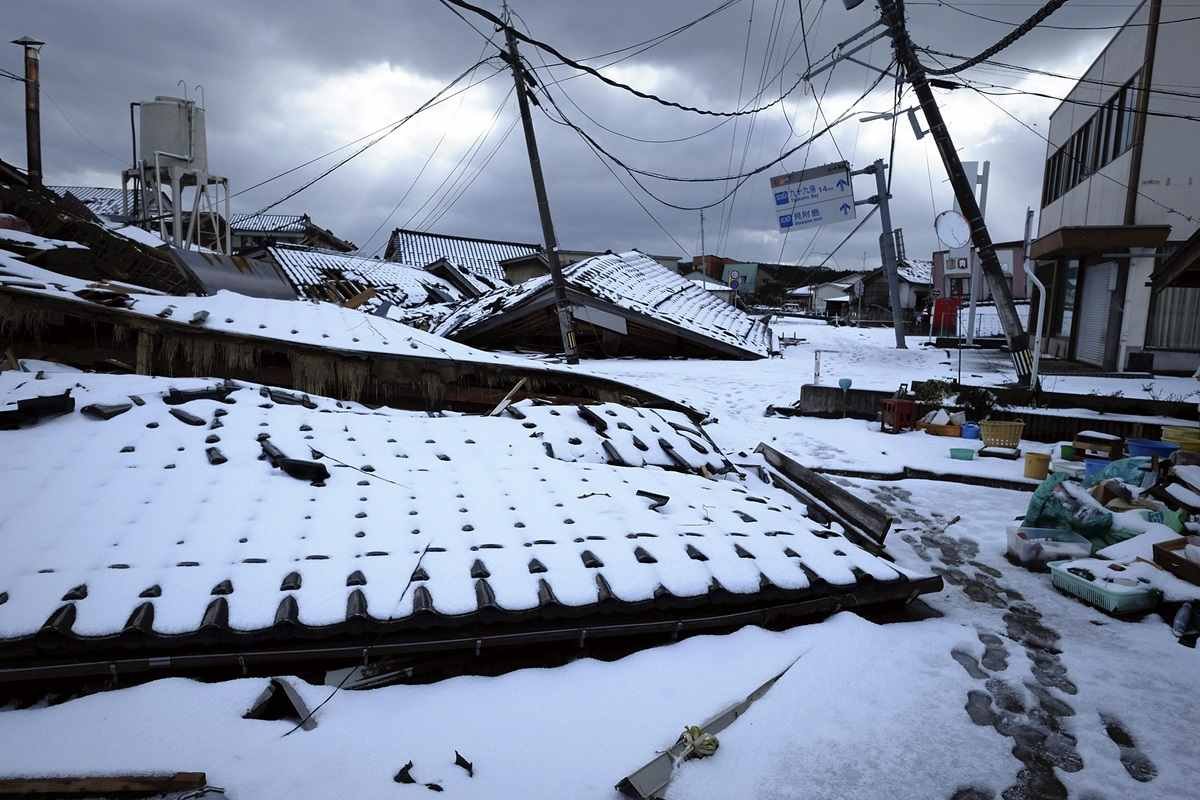
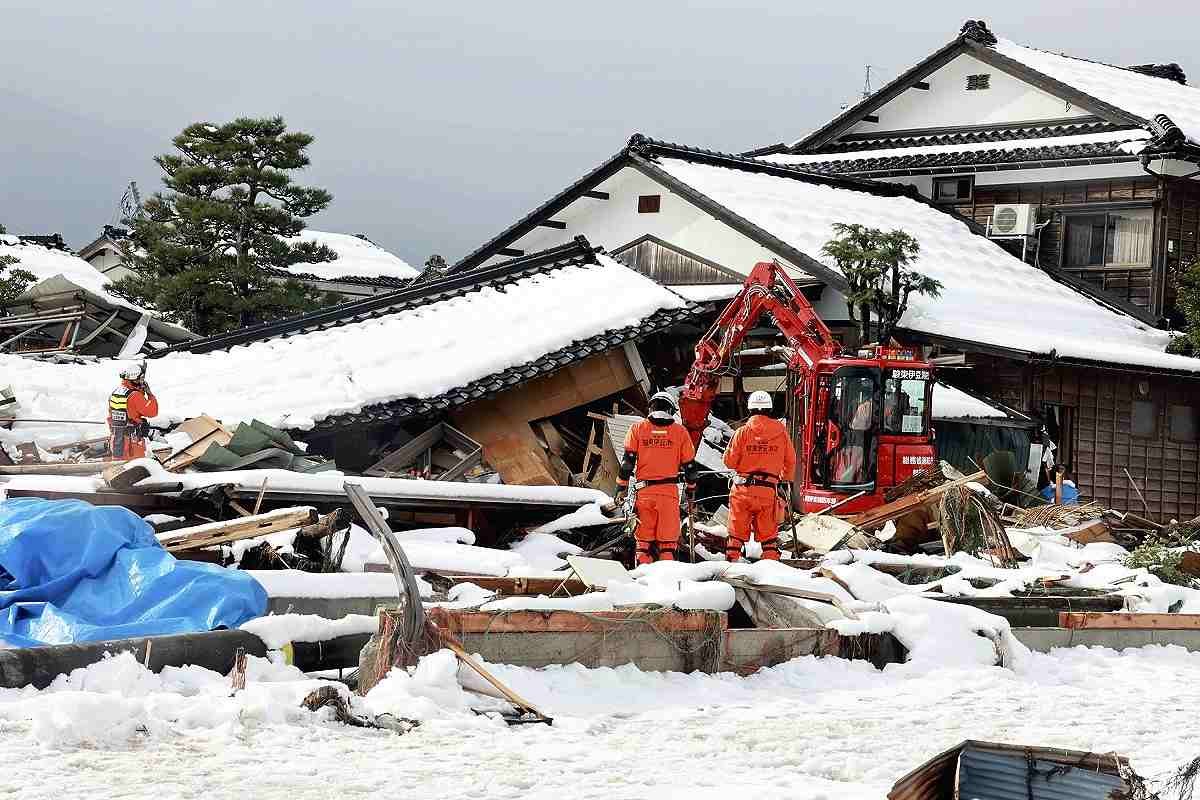
In many parts of Japan, heavy winter snowfall can cause significant damage to older houses, particularly when snow is not regularly cleared from the roof. Traditional wooden structures and tiled roofs are especially vulnerable, as the accumulated weight of snow can lead to sagging beams, cracked tiles, or even partial roof collapse. Meltwater seeping into the structure can also cause leaks, rotting wood, and mold growth. In rural regions where snow can pile up several meters high, failing to clear roofs can shorten the lifespan of these homes and make them unsafe to live in.
For foreigners purchasing homes in these areas, regular maintenance poses an additional challenge—snow clearing is practically a full-time job during winter, and it is rarely possible for an overseas owner to be present often enough to manage it. This means buyers would need to hire local help, if they can even find reliable services available, adding both cost and uncertainty to owning a property in Japan’s snow-prone regions.
Many foreigners are drawn to the idea of buying a house near ski resorts or snowfields with the expectation of enjoying winter holidays, but the reality is often very different. The constant snow removal required just to keep a property habitable can overshadow any leisure time. On top of that, access to the snowfields themselves can become nearly impossible in heavy-snow regions due to blocked roads, frequent avalanches, and landslides that cut off entire towns. Public transport may be suspended for days, and smaller rural roads can remain impassable for extended periods. In some mountain villages, residents even build “snow tunnels” or rely on heavy machinery simply to leave their homes. Without a year-round local presence or a well-established support network, what may appear to be a dream winter retreat can quickly turn into an expensive and exhausting burden.
- Please Click and Read below News Articles:-
- Please Click and Watch below Videos:-